
Search Contract Jobs*
Hello!
You’re now leaving the Expedia Group careers site and will be directed to our supplier partner’s website to explore and apply for contract job opportunities with Expedia Group. The website is operated by Expedia Group’s employment partner.
*currently only offered in USA & UK

Jobs
Search Expedia Group Jobs
Spring Cui 的 Expedia Group 成长之旅:打造我们的供应合作伙伴体验

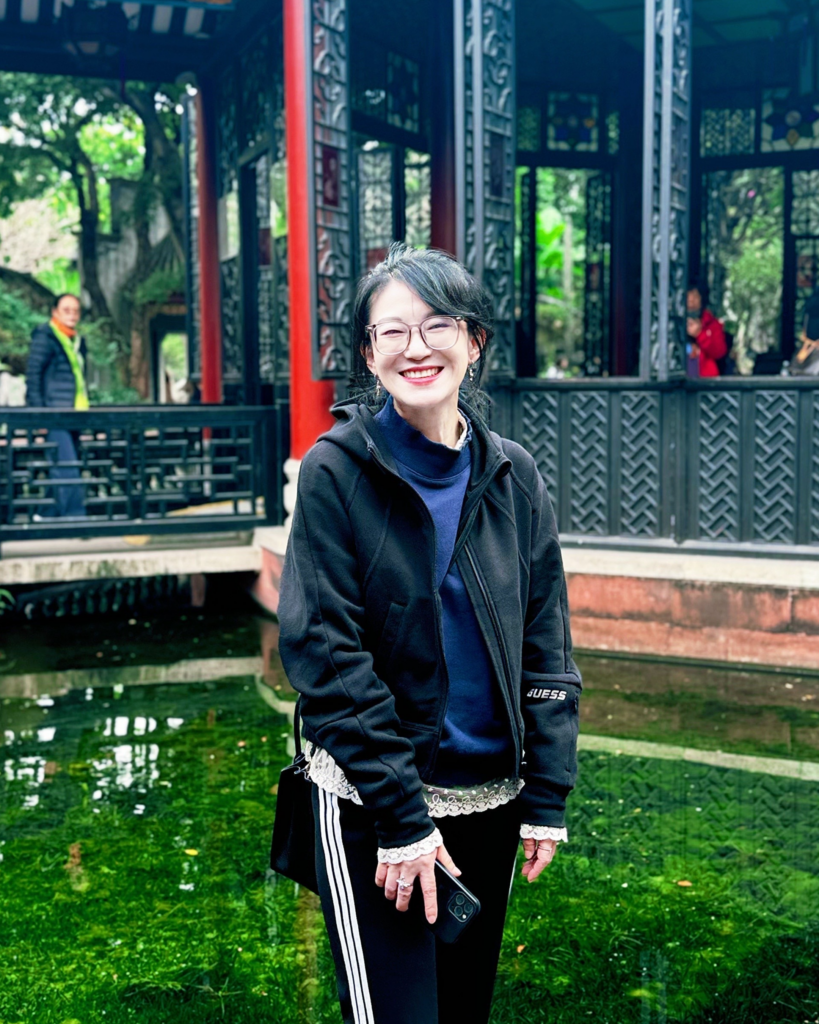
早在 2007 年,崔伟(Spring Cui)就已经在 Expedia Group 深圳办公室参与旅游技术创新的工作。2014 年正式加入 Expedia Group 之后,她在深圳工作了 11 年,同时远程带领分布在奥斯汀和西雅图的技术研发团队。作为供应合作伙伴体验团队(Supply Partner Experience,简称 SPX)的软件开发总监,她负责领导 SPX Content (房源内容管理)团队和 SPX Onboarding (合作伙伴入驻体验)团队,同时担任深圳办公点负责人。她和团队的工作重点是,面向全球住宿合作伙伴,帮助他们顺畅完成入驻流程,在平台上展示高质量和能有效提升转化的内容信息。多年来,Spring亲历了 Expedia Group 技术平台的多次重大演进,她的视角也从“构建单个页面”转变为“构建持久且可扩展的平台系统”。这一思维方式至今仍主导着她的领导实践,帮助团队在全球范围内持续交付并创造有影响力的成果。
欢迎继续阅读,走近Spring的职业成长旅程。
请介绍一下您的团队
SPX Onboarding 专注于为住宿合作伙伴打造端到端的入驻产品体验,面向度假租赁和酒店等不同业务场景,从合作伙伴最初注册账号、创建房源,一直到正式上线、满足各个平台上架要求,都提供完整的在线流程支持。我们的目标是持续提升“高质量、可上架房源”的规模,同时在入驻漏斗中保持健康的转化率。虽然我常驻深圳,但我带领的SPX Onboarding团队分布在西雅图和奥斯汀。我们与多个后端团队紧密协作(如价格、税费、预订、内容等),同时对接整套通用平台服务(账号与身份、合规与监管、数据等),并参与跨 SPX 的重要合作项目。通过清晰稳定的 API 设计、以工作流为核心的入驻变更治理机制,以及统一的支持渠道和运营流程,我们把各个团队对“什么是良好的入驻体验”对齐在一起。
另一方面,SPX Content 团队则帮助合作伙伴在 Expedia Group 的多品牌平台中最大化展示其房源价值。我们在 Unified Onboarding(统一入驻平台)、Partner Central(合作伙伴管理平台)以及 Vrbo Dashboard(Vrbo 运营后台)中,为合作伙伴提供一系列工具,引导他们补充完整、优质且准确的房源内容信息,包括设施与服务、房型与空间信息、照片和视频、周边兴趣点、各类政策与费用,以及房源标题和描述等。我们通过Content Score和Content Coaching等机制,结合旅客行为数据,帮助合作伙伴识别关键内容缺口并给出可操作的优化建议,从而提升房源竞争力和转化率。
请介绍一下您的职责
我的角色是为团队设定清晰的技术与组织方向,确保大家的努力真正转化为对业务有意义的影响。我主要聚焦在三件事:培养强有战斗力的engineering leaders,清除系统性障碍,以及打造让团队能够发挥最佳水平的环境。我与产品、设计、数据以及面向合作伙伴的团队紧密合作,对齐优先级、共同规划发展路线,确保我们始终把资源投入在解决合作伙伴最关键的痛点上。在技术层面,我负责推动长期的架构战略,持续强化工程实践,并倡导严谨的设计评审、可控的试验与迭代节奏等。我希望打造的是一套可靠且可扩展的平台,既能帮助合作伙伴更快完成入驻,又能持续提升房源内容质量,最终为全球旅客提供更优质的预订体验。
自您加入 Expedia Group 以来,您的职责发生了哪些变化?
在加入 Expedia Group 成为全职员工之前,我以外包工程师身份参与集团的产品工作,先后担任团队负责人和开发经理,主要负责酒店、航班和套餐预订。这段经历让我对旅客的旅程、合作伙伴的需求,以及如何带领团队完成复杂的跨领域交付,有了深刻而全面的认识。后来,我正式加入 Expedia Group,担任深圳 SPX OpEx (Engineering Operational Excellence)团队的工程经理,之后又转到了目前的职位。
自您加入公司以来,技术栈或工作方式发生了哪些变化?
2007 年,我以外包工程师身份第一次参与 Expedia 产品开发。当时我们的酒店、机票和套餐产品的购物体验还运行在早期的 Expedia Classic 平台(Emain)上,当时刚刚开始向 E3 过渡,我们要把核心流量逐步迁到新的 Java 技术栈平台 E3 上,以更好地支持“多产品、一体化”的全球旅行购物体验。那次平台迁移持续了好几年,我们一边把搜索、结果页、详情页等关键流程一点点搬到新平台,一边保证业务持续运营。这个过程让我第一次深刻体会到,如何把一个全球性的大型系统,从高度耦合、逻辑重复的代码,逐步演进为一组职责清晰的服务、更清楚的契约定义,以及跨酒店、机票和打包产品共享的数据模型。最终,旅客得到的是更一致的购物体验,而我们在此基础上也能更快、更稳定地迭代新功能。
而在SPX 供应合作伙伴领域,我们的技术栈经历了从“多个分散的老旧合作伙伴应用”,向“更少但更现代化的平台和工具”演进的过程。SPX 面向合作伙伴的产品正在逐步整合,为 Partner Central 和 Vrbo 提供更加统一的一体化体验。其中,Unified Onboarding 和 Content Convergence 就是典型例子,我们在这一过程中,逐步沉淀出更简洁、可复用的内容服务、统一的入驻能力,以及合规与监管功能,同时,需要运营和维护的应用程序也更少。我们把Self-service Onboarding 和 Content Management逐步迁移到新的平台上,对于我的团队而言,这意味着可以将精力从维护遗留系统,转向真正为合作伙伴和旅客创造新增价值。
在 Expedia Group,我们经常谈到如何利用数据和人工智能。您在日常工作中是如何体现这一点的?
首先,我们是一个“以数据和实验驱动业务”的团队。每一项重要决策背后,都有完整的指标体系、A/B 测试结果和定期复盘。我们依赖可视化看板跟踪功能表现和关键合作伙伴指标,从而帮助团队聚焦在真正能提升旅客与合作伙伴体验的工作上。其次,我们利用 AI 来生成更丰富的房源内容。以合作伙伴提供的基础信息为出发点,模型能够生成完整的房源描述、设施清单和空间细节等内容,再由合作伙伴进行编辑和校正。这个闭环不仅提高了内容生产效率,也让各品牌站点上的内容更加贴近旅客需求并且更完整。第三,在研发方法上,我们采用“AI 辅助 + 规范驱动开发(Spec‑driven Development)”的模式,通过AI工具与智能代理,深度介入方案设计、编码和测试全流程,实现基于需求规格的代码片段自动生成、测试用例批量构建等能力,最终支撑团队高效交付具备高可扩展性与质量保障的技术解决方案。
您在深圳的工作与 Expedia Group 全球旅客的整体旅行体验有何联系?
深圳团队的工作与 Expedia Group“让每一次旅行都更美好”的使命紧密相连。通过持续优化入驻流程(Onboarding Flow)和内容工具(Content Tools),我们帮助合作伙伴更快、更轻松地把房源准备上架,并用完整、准确且具有吸引力的内容呈现给全球旅客——包括房型与空间、设施与服务、图片与视频、价格计划和促销等。这样,当旅客在不同品牌和平台上浏览和预订时,更容易理解房源、形成信任,从而选择最合适的住宿,减少落地后的落差感。过去几年,深圳的 SPX Content 团队交付了多项核心功能。例如,Content Coaching功能围绕设施和图片的准确性(accuracy)、完整性(completeness)和吸引力(appeal)提供改进建议,让合作伙伴明确知道如何优化内容以提升展示效果和转化率;Partner Central 入驻流程 中实现了房型、设施和图片的自动填充同时,还开发了价格计划和促销配置功能,这些改进显著简化了合作伙伴的配置流程,让他们能够将更多精力投入到提供优质服务上。与此同时,我在深圳协同美国的 SPX Onboarding 团队,为 Vrbo 入驻流程构建了房源促销体验,使优质房源在旅客搜索和预订链路中获得更多曝光和预订机会。在这些 Content 和 Onboarding 功能的支持下,我们还将房源合规、监管要求和平台现代化工作融入流程。这样不仅提升了预订体验和转化率,也持续增强了平台的可靠性、安全性和合规性,为旅客从看到房源到安心入住提供完整保障。
深圳办公室有什么独到之处?工作氛围怎么样?
深圳办公室的独到之处,是这里聚集了一批在中国软件和互联网一线长期打磨出来的工程团队——在高强度竞争和快节奏环境中成长,自然练就了能拆复杂业务、能快迭代、能跨多技术栈协同的本事,整体节奏带着鲜明的“深圳速度”。把这套能力带到 Expedia 后,深圳团队在端到端方案设计、交付速度和质量可靠性上都更能打:既能在复杂约束下给出务实可落地的方案,又能在短周期内完成实现、实验和数据复盘,勤奋高效、谦逊又乐于助人,在跨团队 collaboration 中迅速形成合力,把这些优势转化为合作伙伴和旅客都能感知的体验提升。作为深圳站点负责人,我负责整个办公点的日常运营和招聘,同时推动团队协作、营造良好的文化氛围,确保大家能够高效合作、不断成长,并在工作中充分发挥个人能力,同时为团队顺利交付高质量项目和技术成果提供支持。
这里的工作氛围非常多元而有活力。从覆盖整个深圳站点的大型活动到各团队的小范围团建,从舞台表演、节日庆祝,到户外活动和运动,也包括围绕 AI 等前沿主题的学习分享、黑客马拉松,以及与其他海外团队之间的交流项目。这些活动共同营造出一种开放、包容的文化:每个声音都被看见,每个人都可以在这里找到归属并获得成长。
对于可能走上类似职业道路的人,您有什么建议?
我的建议是,在保持技术深度的同时,尽早练习“组织领导力”。技术扎实是基本盘,但如果长期只盯局部实现,很难走到更高层的技术领导角色。可以有意识地去承担一些问题边界更大、牵涉团队更多的工作,主动承担影响范围更大的问题,通过项目逐步扩大自己的影响范围。我自己的路径也是这样,从工程质量和效率,到合作伙伴内容体验,再到端到端上线旅程,并不是等组织给我更大的 scope,而是在手头的项目中慢慢把影响圈做大。
在跨团队、跨地域合作中,我也在有意识地让高级工程师承担更多跨团队项目的责任,让他们从方案推进到结果交付都发挥更大的领导作用,而我则更多专注于技术方向把关、关键决策、清除障碍、资源协调以及团队能力建设。这样的方式不仅让团队逐渐形成更多能够独当一面的技术骨干,也让项目推进更加高效。同时,对我来说,这也是从“自己做得好”转向“让团队整体做得更好”的过程——通过培养团队能力来实现持续稳定的交付,这才是技术领导力更长久的价值所在。在很多组织中,总会有一些跨团队、周期较长却对长期方向重要的事情,例如大型技术系统迁移、或跨团队的关键核心产品,这类工作往往更复杂,但也提供了在实践中学习、尝试新方法并探索包括 AI 在内的新技术的机会。在这种情况下,我鼓励团队成员在合适的时机主动承担,全程负责推动项目实施,通过数据和实验不断验证思路,同时把经验逐渐沉淀为可复用的实践。很多时候,这类项目带来的成长和信任,往往比单纯交付几个功能更能体现一个人的影响力,并逐渐塑造他在团队中的角色。
加入我们的求职网络
我们正在寻找杰出人才,与我们一起,共同致力于让世界各地的人们更便利地开展全球旅行。加入我们的求职网络后,您将收到我们独家发布的最新机会、活动、面试建议以及来自 Expedia Group 领导者的全球见解。立即注册!
Spring Cui’s Tech Journey at Expedia Group, Shenzhen
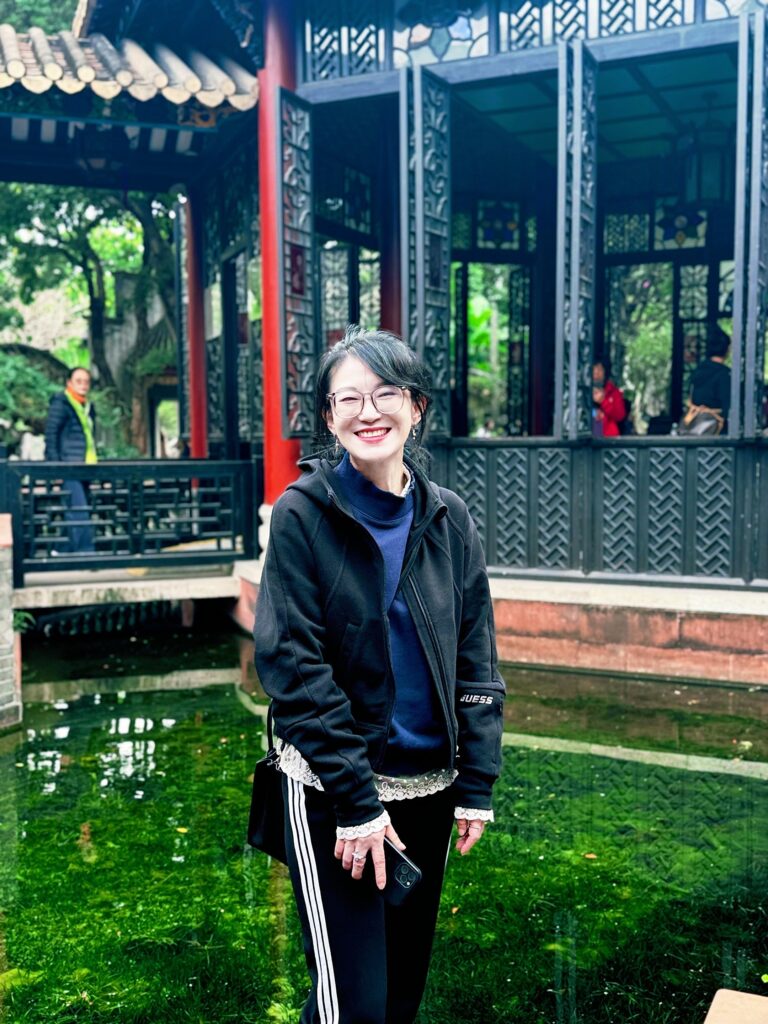
From as early as 2007, Spring Cui has been a part of Expedia Group’s travel technology innovation from the Shenzhen, China, office. After officially joining Expedia Group in 2014, she has spent the past 11 years in Shenzhen while leading colleagues across Austin and Seattle. As a Director of Software Development Engineering in Supply Partner Experience (SPX), Spring leads the SPX Content and SPX Onboarding engineering teams, in addition to serving as the Shenzhen Site Leader. Her work supports lodging partners around the world, helping them onboard seamlessly and showcase high‑quality, conversion‑driving, content. Spring has witnessed major platform evolutions at EG first‑hand, shifting her perspective from building individual pages to shaping long‑lived, scalable systems. This mindset continues to guide her leadership today as she helps teams deliver meaningful impact at a global scale.
Read on to explore more of Spring’s incredible journey.
Tell us about your team.
SPX Onboarding builds the end‑to‑end onboarding UI experience for lodging partners, specializing in Vacation Rentals and Hotels, and supports partners from initial sign‑up and property creation through go‑live and marketplace readiness so we can increase high quality, marketplace‑ready supply at an optimal conversion rate. While based in Shenzhen, I lead onboarding teams in Seattle and Austin, partnering closely with downstream domain teams (Rates, Tax, Reservations, Content), shared platforms (Identity, Regulatory, Data), and cross-functional SPX programs. We drive alignment through well-defined APIs, workflow-governed onboarding changes, and shared support channels and operational processes.
The SPX Content team helps partners showcase the full value of their properties across Expedia Group’s brands. In Unified Onboarding, Partner Central, and the Vrbo Dashboard, we offer tools that guide partners to create complete, accurate, and compelling content — from amenities, room and space details, and photos/videos to points of interest, policies/fees, and property descriptions. Using Content Score and Content Coaching, powered by traveler behavior data, we highlight the most important content gaps and give partners clear, actionable recommendations, so their listings become more competitive and convert better.
Tell us about your role.
I set technical and organizational direction so that teams can deliver meaningful impact. My focus is on building strong engineering leaders, removing systemic obstacles, and creating an environment where teams can do their best work. I work closely with Product, Design, Data, and partner-facing teams to align priorities, shape the roadmap, and ensure we’re solving the most important partner problems effectively. From a technology standpoint, I drive long-term architecture strategy, strengthen engineering excellence, and promote healthy practices such as rigorous design reviews and disciplined experimentation. Ultimately, my goal is to build reliable, scalable platforms that help partners onboard faster, improve content quality, and deliver better booking experiences for travellers.
How has your role evolved since you joined Expedia Group?
Before joining Expedia Group full-time, I was working on its products as a vendor engineer, team leader and development manager, focused on hotel, flight and package shopping. That experience gave me a deep end-to-end understanding of traveller journeys, partner needs, and how to lead teams through complex, cross-domain deliveries. I officially joined Expedia Group as Engineering Manager for the SPX Tech OpEx team in Shenzhen, then transitioned into my current role.
How has the tech stack or ways of working changed since you joined?
When I first started working as a vendor engineer on Expedia products in 2007, our hotel, flight, and package shopping experiences ran on the older Expedia Classic platform (EMain), and we were just beginning a multi‑year shift to E3, a new Java‑based platform designed to support multi‑product travel shopping in a more scalable and consistent way. That journey took years of gradually moving search, results, and details flows while keeping the business running, and it taught me how to evolve a large global system from tightly coupled code and duplicated logic to shared services, clearer contracts, and a common data model across hotel, flight, and package. The result was a more consistent shopping experience for travelers and a foundation where we could add new product features faster and with better performance.
On the supply partner side, our tech stack has moved from many separate legacy partner apps to fewer, modern platforms and tools. Our SPX partner‑facing products have been consolidating into more unified experiences across Partner Central and Vrbo – with onboarding and content as key examples – backed by simpler services for content, unified onboarding, and regulatory features and a smaller set of applications to run. For my teams, that has meant moving content management, coaching, and self-service onboarding journeys onto these newer platforms so more of our time goes into delivering value for partners and travelers.
We talk a lot about leveraging data and AI at Expedia Group – how does that show up in your day-to-day work?
First, we run the business on data and experiments: every major decision is informed by metrics, A/B tests, and regular reviews. We rely on dashboards showing feature performance and key partner outcomes, helping us focus on what truly improves the traveler and partner experience. Second, we use AI to help generate rich property descriptions, amenities, and space details from partner inputs; partners then refine these suggestions, creating a feedback loop that makes content more relevant and complete across our marketplaces. Third, we follow an AI‑assisted, spec‑driven development approach, using AI tools and agents to support design, coding, and testing so we can deliver scalable, high‑quality solutions efficiently.
How does your work in Shenzhen connect to the overall travel experience for Expedia Group travelers around the world?
Our work in Shenzhen is directly connected to Expedia Group’s mission of making every trip better. By continuously improving the onboarding flow and our content tools, we make it faster and easier for partners to get their properties “ready to sell” and to present complete, accurate, and compelling information to travelers – from room and space details, amenities and services, and photos and videos to rate plans and promotions. This means that when travelers browse and book across our brands and platforms, they can more easily understand each property, build trust, and choose the stay that’s truly right for them, with fewer unpleasant surprises on arrival. Over the past few years, the SPX Content team in Shenzhen has delivered several critical capabilities. For example, our Content Coaching features provide partners with concrete recommendations on how to improve the accuracy, completeness, and appeal of their amenities and media, so they know exactly what to change to improve how their property is presented and how it converts. Auto‑prefill for room types, amenities, and photos in the Partner Central onboarding flow, together with streamlined rate plan and promotion configuration, helps partners complete setup much more efficiently and focus their time on delivering great guest experiences. In parallel, the U.S. SPX Onboarding team I lead has built the promotions experience within the Vrbo onboarding journey, creating more opportunities for high‑quality properties to be discovered and booked. Behind all of these Content and Onboarding capabilities, we have systematically embedded property compliance, regulatory requirements, and platform modernization into our work. This ensures that as we improve booking and shopping experiences and drive conversion, we are also continuously strengthening reliability, safety, and compliance—supporting travelers end to end, from “seeing a property online” to “feeling confident when they check in.”
What makes the Shenzhen office unique and what is the community like?
The Shenzhen office stands out for its concentration of engineering talent, shaped by years on the front lines of China’s software and internet industry. Growing in a fast-paced, highly competitive environment, the team excels at breaking down complex problems, iterating quickly, and collaborating across technology stacks — with the well-known “Shenzhen Speed.” At Expedia Group, these strengths translate into excellence in end-to-end solution design, delivery, and reliability. With SPX, DST, EWS, Data, Market Management, and key vendor partner teams co-located, content, pricing, inventory, mobile, and data teams can collaborate in real time to solve partner problems and support major Expedia Group China partner events. The team consistently delivers pragmatic solutions under complex constraints, executes and experiments in short cycles, and works efficiently, humbly, and supportively across teams — turning these strengths into tangible improvements that partners and travelers can feel. As Shenzhen’s Site Leader I oversee office operations, hiring, and team engagement, supporting the teams above, ensuring our teams deliver transformative technology while fostering collaboration and growth.
The community is vibrant and multi‑layered, with site‑wide and team events ranging from performances and seasonal celebrations to outdoor activities and sports, as well as ongoing learning experiences like AI‑focused sessions, hackathons, and international exchanges – all of which foster belonging, connection, and an open culture where every voice matters and everyone can grow.
What advice would you give to people who may be following a similar career path to you?
My advice is to balance technical depth with organizational leadership: become excellent in your domain, but also look for opportunities to contribute across teams, lead initiatives, and support your site’s broader ecosystem – this combination creates unique paths to roles like Tech Director or Site Leader. In my own journey, that meant leading the SPX Tech OpEx team, then moving into SPX Content and later also leading SPX Onboarding, growing from a focus on operational excellence into leading partner‑facing products in Supply Partner Experience – with onboarding and content as key parts of a broader partner journey across brands and regions.
Invest in relationships with product, design, operations, and commercial partners across geographies – and give your senior engineers real ownership of cross‑team work – because collaborating on initiatives like content coaching, regulatory expansion, self-service onboarding, and cross‑brand convergence both accelerates delivery and stretches people’s careers. Finally, be a problem solver and owner – willing to step into complex challenges like migrations, office relocations, partner events, and hiring for other teams – and keep learning, running experiments, and leaning into new technologies like AI.
Join our Career Network
We’re looking for outstanding talent to join us on our mission to power global travel for everyone, everywhere. By joining our career network, you’ll have exclusive access to our latest opportunities, events, interview advice, and global insights from our Expedia Group leaders. Sign up now!