From Military Service to New Careers: The Skills Two Veterans Brought to Expedia Group

Leaving military service can mean learning how to describe familiar strengths in unfamiliar terms. For Harry Isaac and Gabriel Torres, leadership, planning, collaboration and problem-solving did not stop being useful when their military careers ended. The challenge was showing how those skills could fit a different workplace—and staying open to roles beyond the paths they first expected.
Today, Harry is a Manager within the Car Partner Solutions team at Expedia Group. Gabriel works as a Senior Technical Program Manager on the Developer Experience team. Their journeys are different, but both show how military experience can translate into civilian work when you focus on the skills behind the role.
Start with what you do well
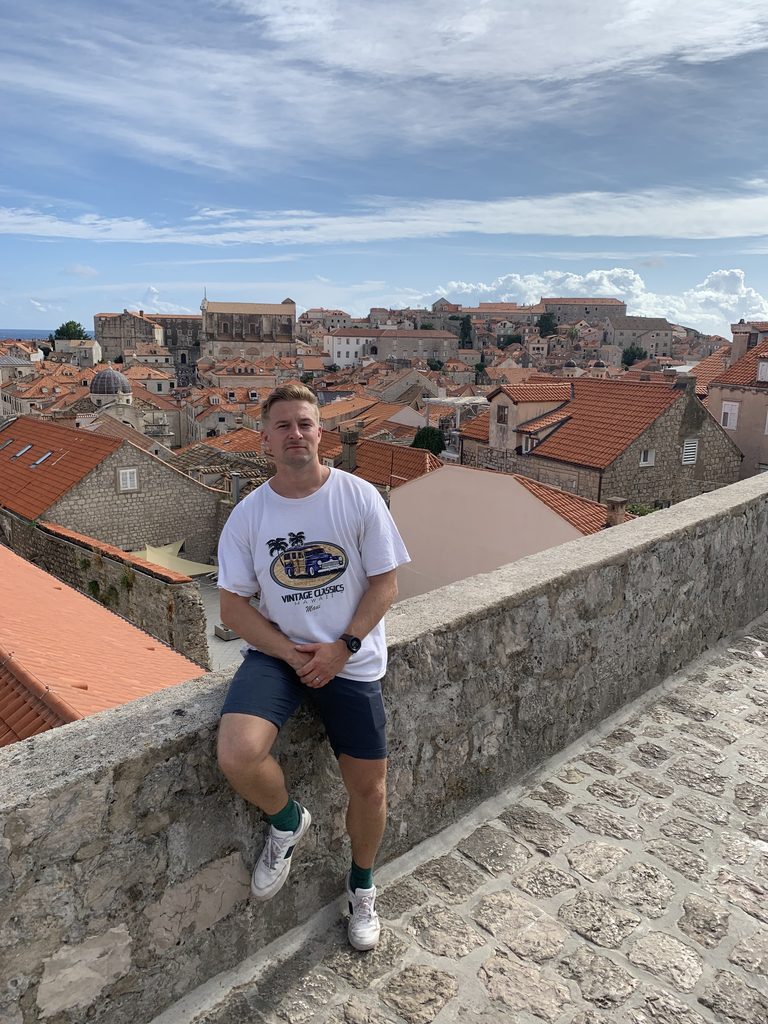
Harry spent seven years as a British Army armoured infantry officer, leading platoons of up to 56 soldiers throughout his career, commanding multiple armoured vehicles, conducting training, readiness, battlefield and staff planning and later serving as an intelligence officer on a NATO deployment. When he began thinking about his next step, he realized he had been looking at familiar career paths rather than asking what had energized him in the Army: leading a team, solving problems and improving how the team worked.
That reflection also shaped how he spoke about his experience. He describes translating military terms into civilian language: “platoon” became “team,” “battalion” became “business unit,” and “operations orders” became “project plans.” As he puts it, “The substance was the same; it just needed packaging in language a civilian recruiter could immediately connect to the role.”
At Expedia Group, Harry leads teams working across APAC and EMEA. He draws on the people skills he built in the Army—talking with colleagues, understanding where their strengths fit and helping them develop. He also brings a structured approach to decisions. When several requests arrive with competing priorities, he weighs the business need, urgency, size of the work and available resources. One question helps him get to the point: “Why do you want that now? What’s the intent behind it?”
Coordination that crosses teams
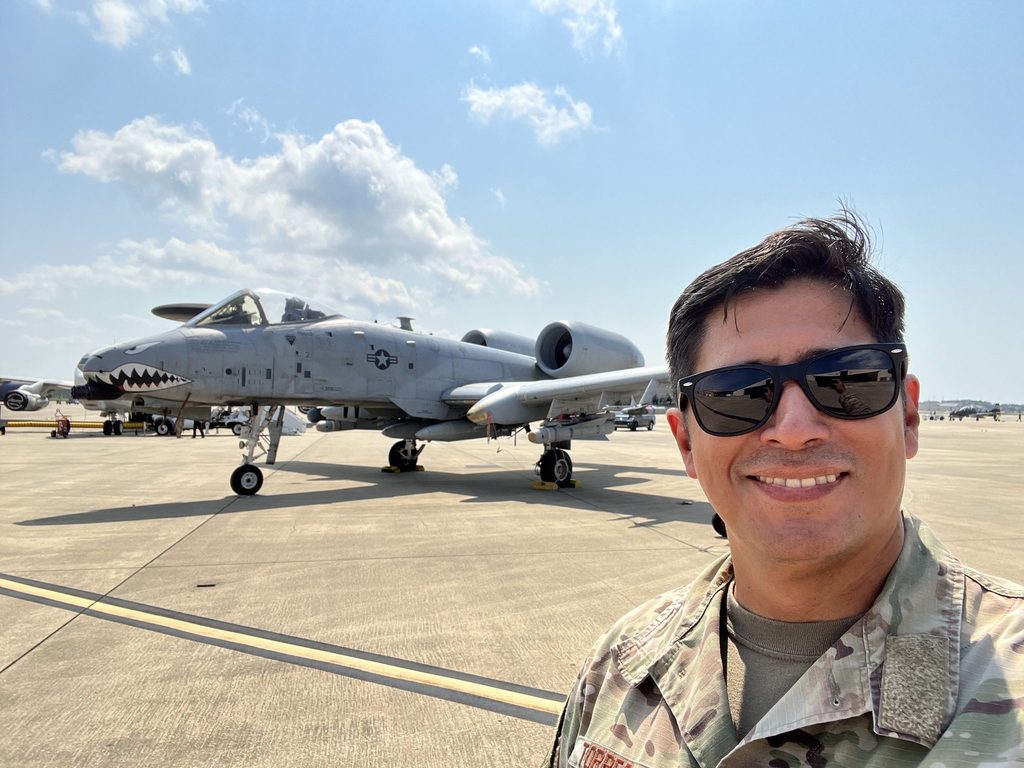
Gabriel spent 24 years in the military. As a joint terminal attack controller, he served as a liaison between Air Force personnel and Army units on the ground, coordinating complex operations across teams. Later, he worked in test and evaluation, assessing systems before Airmen used them, and took on program-management responsibilities.
The through line was coordination: planning, collaborating across teams and working through problems under pressure. Those skills now support his work as a Senior Technical Program Manager, where he collaborates with colleagues beyond his immediate team to address shared challenges.
Gabriel joined Expedia Group through a transition internship during the final months of his military service, via the U.S. Department of Defense SkillBridge program and Hire Our Heroes. After three months as an intern, he was offered the opportunity to continue working with the team. Preparing for civilian interviews had helped him practice turning military examples into stories others could follow, “How do I turn that into a story that can be easily understood?”
That experience with pressure still shapes how Gabriel responds to challenging moments. “Having experience working under pressure gives me that recall to say, ‘I’ve been in a similar situation before,’” he says. “So it gives me a sense of calm.” He uses that clarity to work out what needs attention first and what the next step should be.
Transfer also means adapting
The skills may travel, but the setting changes. Harry says the Army’s clear roles and hierarchy took adjustment: at Expedia Group, colleagues can contribute beyond what their job description says. He learned to give his team room to do that—and to rely on their technical expertise while he built his own understanding of the business and its tools. He asked colleagues to walk him through how the work was done, where the difficult points were and what he still needed to learn.
Gabriel found his own adjustment in the language and communication style of corporate work. Military communication had been more direct; at Expedia Group, he needed to learn new terminology and how best to communicate with different teammates. At the same time, some challenges felt familiar: limited resources, constant change and working across different perspectives.
People mattered in both transitions, too. Gabriel says the Veteran community at Expedia Group, the colleagues he met during his internship and managers who offered guidance and feedback helped him settle in. Harry describes the VETS Inclusion Business Group as a place he could turn for advice; during a visit to Seattle, he made time to meet colleagues for coffee and a friendly conversation.
Harry and Gabriel’s experiences show something practical: skills developed in one setting can be valuable in another, but it helps to explain them in everyday language, stay curious about where they fit, and be ready to adapt how you use them. For anyone considering a transition, Harry’s advice is to look beyond the roles that simply seem familiar; Gabriel recommends starting early and connecting with people who have made the move.